
简介
临床研究治理国际会议2025将探讨临床研究治理的最新进展,重点关注近期改革所带来的挑战与机遇,同时分享临床试验治理的见解与最佳实践。此次会议将汇聚来自学术机构、医疗机构、临床及医学研究组织以及生物医药行业的专业人士,与会者将有机会参与深入的讨论,进一步提升全球临床研究项目的质量。
演讲嘉宾
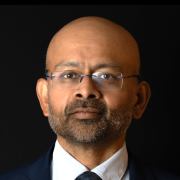
Dr Vasee Moorthy
世界卫生组织(WHO)科学部
高级顾问
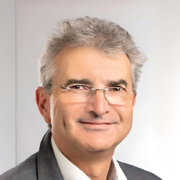
Prof Dominique SPRUMONT
国际医学科学组织理事会(CIOMS)
执行委员会成员
瑞士瓦州研究伦理委员会主席及
世界医学协会(WMA)学术合作伙伴
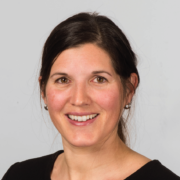
Dr med Regina Grossmann
苏黎世大学医院
苏黎世临床试验中心主任
瑞士
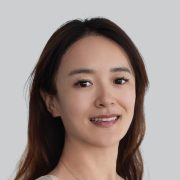
徐凌女士
勃林格殷格翰(中国)
大中华区医学质量负责人
中国
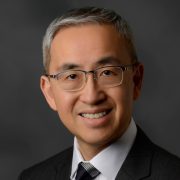
张文智教授
香港大学深圳医院院长
香港特别行政区
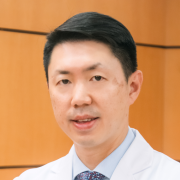
孔繁毅教授
香港大学李嘉诚医学院讲座教授(传染病学)
列汝俭列黄瑞容基金教授(健康科学教育学)及
香港大学李嘉诚医学院副院长(夥伴拓展及协作)
香港特别行政区
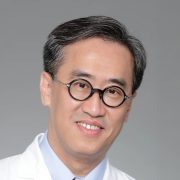
叶启明教授
香港大学公共卫生学院
临床副教授
香港特别行政区
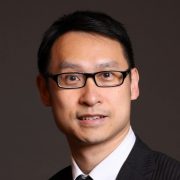
叶逸轩教授
香港大学一期临床试验中心
医学总监
香港特别行政区
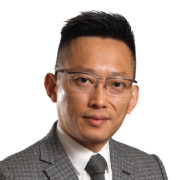
游广智总监
香港大学临床试验中心
执行总监
香港特别行政区
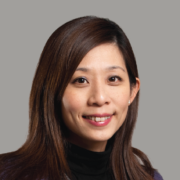
黄嘉慧博士
香港大学临床试验中心
副执行总监
香港特别行政区
议程
13:00 – 14:00
登记及轻食款待
14:00 – 14:05
欢迎致辞
梁伟强教授,香港大学临床试验中心首席总监,香港特别行政区
14:05 – 14:10
开幕致辞
卢宠茂教授,香港特别行政区医务卫生局局长
14:10 – 14:15
开幕致辞
申作军教授,香港大学副校长(研究),香港特别行政区
14:15 – 15:45
第一节:环球临床科研变革
主持人:
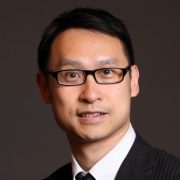
Prof Desmond Yat-Hin Yap joined the University Department of Medicine after his graduation from MBBS at the University of Hong Kong. He later pursued his Doctor of Medicine (MD) and Doctor of Philosophy (PhD) degree at his alma mater, both along the study of the immunopathogenesis and treatment of lupus nephritis.
His current major theme of research is immune-mediated glomerular diseases, with emphasis on lupus nephritis and membranous nephropathy. In 2024, Prof Yap ranked world #7 (5-year) in the field of lupus nephritis by ScholarGPS. Prof Yap was the co-first author for the Asian Guidelines for the management of lupus nephritis, co-published in the official journals of regional nephrology and rheumatology societies [Nephrology (Carlton) 2014; 19: 11-20 & Int J Rheum Dis 2013; 16: 25-36], and his research findings have also contributed to the latest KDIGO Clinical Practice Guideline for Glomerulonephritis 2024. He received the Hong Kong Society of Nephrology (HKSN) Young Investigator Award in 2009 for his research on serum immunoglobulin binding activity to human mesangial cells in lupus nephritis. Funded by the Li Shu Pui Clinical Fellowship (2014-2015), Prof Yap worked as a research fellow at the Fiebiger-Nikolaus Centre, Friedrich-Alexander University, Germany to study B cell homeostasis in immune-mediated diseases. Prof Yap’s other research interest pertains to infective complications in renal failure patients.
Prof Yap was awarded the LKS Faculty Teaching Medal in 2019, in recognition of his contributions in teaching and curriculum development. In 2021, he was awarded the prestigious Sir David Todd Lectureship by the Hong Kong College of Physicians for his work on lupus nephritis research.
Prof Yap is currently the Honorary Treasurer of the Asian Pacific Society of Nephrology (APSN) and also the Honorary Secretary of the HKSN. He also serves as Council Member of various important
professional societies including the Hong Kong Society of Transplantation and the Hong Kong Society for Histocompatibility and Immunogenetics. Prof Yap is currently the Medical Director of the HKU Phase 1 Clinical Trial Centre. Prof Yap has published over 170 peer-reviewed articles in various internationally renowned journals, and is currently Subject Editor for Nephrology, the official journal of the APSN.
14:15 – 14:45
改善获取临床证据的方式:临床试验框架变革
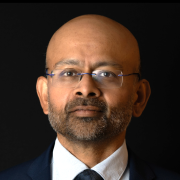
Dr Moorthy has a senior position within the Science Division at WHO. This is a corporate division of WHO’s headquarters created by the current Director-General to ensure that science and evidence lies at the heart of everything that WHO does. Dr. Moorthy is situated in a central Research for Health department that he helped create in 2019, which provides technical support to all of WHO’s disease and service delivery programmes on all matters related to research. He has over 25 years experience as a clinical researcher as follows: qualification in Natural Sciences (first class honours) from the University of Cambridge, UK; a medical degree from University of Oxford; a PhD in clinical trials of malaria vaccines from University of Oxford; 5 years of clinical research based in Africa (South Africa and The Gambia); making decisions about funding clinical trials working for PATH, an NGO based in USA; a career as a clinical academic at the University of Oxford, UK where he completed his internal medicine (FRCP) and infectious diseases subspecialty training; a total of 7 years as a practicing physician. Dr Moorthy joined WHO in 2008 as their lead on malaria vaccines, being promoted to positions of greater responsibility. He is now the lead coordinator on implementation of the World Health Assembly resolution on clinical trials passed in 2022. He has been involved in prioritization, funding, design and implementation of clinical trials that have recruited in over 50 countries, in all 6 WHO regions related to COVID-19, Ebola, Mers-CoV, Lassa fever, malaria, and many other infectious diseases.
The publication of the WHO guidance for best practices for clinical trials in September 2024 was a major milestone. For the first time there is now global guidance applicable to design and conduct of all clinical trials (whether or not they include investigational products), also with relevance to observational studies.
Key areas of focus include embedding research into health systems, developing sustained networks of continuously active clinical researchers, greater inclusivity of diverse population groups, the centrality of the need for interaction between patient/community groups and researchers in the trial life cycle, simplifying what can be excessively complex and uncoordinated clinical trial approval processes involving many bodies, and ensuring a risk-based, proportionate approach to design, data collection, oversight and inspection.
14:45 - 15:15
推动全球研究伦理:《赫尔辛基宣言》2024年修订版
Prof Dominique Sprumont is a Professor of Health Law, President of the Research Ethics Committee of Vaud, founding member of the Institute of Health Law of the University of Neuchâtel, and past Vice-Director of the Swiss School of Public Health. He collaborated in the drafting of many legislations in the field of health and healthcare at the cantonal, Swiss and European levels. He is also regularly invited by scientific and professional associations in developing their guidelines in those fields, such as the WMA 2008, 2013 and 2024 revisions of the Declaration of Helsinki, the WMA 2016 Declaration of Taipei on Health Databases and Biobanks and the CIOMS 2023 International Guidelines on Good Governance Practice for Research Institutions. Expert in the field of public health law with special interest in the regulation of research involving human participants, patients’ rights, the regulation of healthcare professionals, pharmaceutical and food stuff regulation and public health, he has written more than 150 scientific publications, articles and book chapters on those issues. He is a board member of the European Network of Research Ethics Committees (EUREC), as well as of the Council for International Organizations of Medical Sciences (CIOMS). He is also academic partner of the World Medical Association (WMA) and coordinator of the initiative Training and Resources in Research Ethics Evaluation Program (TRREE), a free and open access e-learning program in research ethics and regulation available in 7 languages including Chinese (http://elearning.trree.org).
The World Medical Association has adopted the latest revision of the Declaration of Helsinki on October 2024. It represents a major step toward more global research ethics. Originally the DoH is rooted on the same principles as the Belmont Report, autonomy, non-maleficience (primum non nocere), beneficence and justice. Although contested by some, these four pillars of research ethics have demonstrated their universality. Yet, starting with the 2016 CIOMS International Ethical Guidelines for Health-Related Research with Humans, other fundamental principles have been deemed recently as essential in research ethics. Research is recognized as a common good and its conduct must aim at common goods (social value). The participants and their communities not only deserve protection but also respect as the expression of solidarity and reciprocity. Their meaningful engagement must be enabled before, during, and following any research, and the responsible inclusion of all in research, including people in situation of particular vulnerability, must be achieved. The development of biobanking also requires clear guidance, starting with respecting the participants’ free and informed consent for the re-use of their identifiable personal data and biological material, and the principles of good governance. The 2024 DoH encompasses all these principles while maintaining its structure and the same number of articles. Never before the DoH and the CIOMS International Ethical Guidelines have been so closely aligned between them and with the main guiding documents in research ethics at the international level. Regardless the internationalization and industrialization of clinical trials, the priority in research ethics is today more than ever the respect and protection of research participants and the quality and social value of research. The latest revision of the DoH reinforces its status as the constitution of global research ethics.
15:15 – 15:45
ICH GCP E6(R3)下的临床试验转型

20-year experiences in pharmaceutical industry of quality assurance, clinical operation and pharmacovigilance, she has been worked for Pfizer, Sanofi and Boehringer Ingelheim
Expert Working Group member of ICH E21, Inclusion of Pregnant and Breastfeeding Individuals in Clinical Trials
Expert member of DIA China Clinical Operation Council
Clinical trial vision 2030
Comprehend E6(R3) Guideline Revisions: key updates in E6(R3) and their significance for enhancing clinical trial practices
Industry perspective on the implementation of E6(R3) Annex 2
The impact of E6(R3) Annex 2 on the use of Real-World Data (RWD)
15:45 – 16:10
茶歇
16:10 – 17:40
第二节:实践优良治理 应对迅速发展
主持人:
Professor Ip is currently Clinical Associate Professor and Division Head of the Division of Community Medicine and Public Health Practice in the School of Public Health, Li Ka Shing Faculty of Medicine, University of Hong Kong. He obtained his medical training from the University of Hong Kong. He received postgraduate training in Infectious Disease, Travel Medicine, Epidemiology, Statistics and Applied Mathematics, and obtained his MD degree in 2017. He underwent specialty training in Public Health in Hong Kong, and was trained in Public Health Genomics as a Visiting Fellow at Hughes Hall and the PHG Foundation of University of Cambridge. He is a founder member of the Faculty of Travel Medicine of the Royal College of Physicians and Surgeons of Glasgow, a fellow of the Australasian College of Tropical Medicine and its Faculty of Travel Medicine, and a fellow of the Royal Statistical Society.
His research work focuses on generating scientific knowledge for informing evidence-based clinical and public health practices in the preparedness and mitigation of influenza epidemics and pandemics. He major research interests include epidemiology of influenza transmission and novel approach of disease surveillance in various community settings, effective health promotion and disease control in the school setting, genetic determinants of influenza infection, impact of seasonal influenza vaccination programme, impact of antipyretic and antibiotic usage on influenza transmission, travel related diseases, and the impact of genetic development on public health practice.
He serves as a consultant for the World Health Organization on the development of infectious disease surveillance systems in China, and as a member of the Genetic Testing Formulary Scientific Committee of the Hospital Authority. He is a member of the Grant Review Board for the Health and Medical Research Fund of the Hong Kong SAR Government. He reviews manuscripts regularly for various international peer-review journals and is a statistical advisor for the editorial board of the journal PLoS ONE.
16:10 – 16:40
欧洲及瑞士的临床研究患者与公众参与
Studies of human medicine at University of Zurich (1999-2006).
Dissertation / thesis in Clinical Atherosclerosis Research in Zurich (2003-2006).
Specialization in Pharmaceutical Medicine, FMH Pharm. Med. (2007-2013).
More than 15 years of experience in clinical research, in pharmaceutical industry (Sanofi-Aventis, medical liaisons), Swiss Agency for Therapeutic Products Swissmedic (Medical Review, more than 30 GCP Inspections), regular participation in EMA GCP inspectors trainings.
Since 2011 at Clinical Trials Center (CTC; ISO 9001:2015 certified institution) of University Hospital Zurich (USZ) in different positions, since 2019 head CTC
Additional activities, Boards and Pannels:
SCTO Board of CTU directors (Swiss Clinical Trials Organisation SCTO)
ICN Steering Board (International clinical Trials Center Network; ICN)
Board Member of SAPM (Swiss Association of Pharm. Med. SAPM),
SSPT Council (Swiss Society of Pharmacology and Toxicology SSPT)
Board Member Health Tech Park Zurich
Data Governance Board USZ
Compliance Committee USZ
Clinical Ethics Committee USZ
This presentation explores the concept, forms, and impact of Patient and Public Involvement (PPI) in clinical research in Europe and Switzerland, highlighting its importance in fostering patient-centered studies. It will outline the spectrum of PPI engagement, from information sharing to co-production and patient-led research, and examine how PPI enhances study relevance, quality, and ethical standards. Key challenges, such as cultural and logistical barriers, will be addressed, along with strategies to overcome them through training, inclusivity, and structured frameworks. By showcasing successful examples and the broader societal benefits, the session underscores PPI’s transformative potential to improve clinical research outcomes and public trust.
16:40 – 17:10
优良治理 · 与众携手 · 实现医疗创新与进步
游广智现为香港大学临床试验中心 (中国) 及港大临床科研 (深圳) 集团首席执行官、香港大学临床试验中心 (HKU-CTC) 执行总监、港怡医院临床试验中心 (Gleneagles CTC) 执行总监、澳门科技大学 (MUST) 医学院客座助理教授及临床试验中心 (MUST-CTC) 非执行总监,拥有理学士 (生物化学) 及工商管理硕士 (金融财务) 学位。他早于九十年代初已开始服务医药界,并专注于临床研究管理达二十多年。游广智亦于多个国际组织担任多项公职,包括国际临床试验中心联盟 (ICN) 指导委员会委员及前主席、国际医学科学组织理事会 (CIOMS) 研究机构良好管治规范工作组委员、及研究伦理评估学习与资源计划 (TRREE) 亚洲区顾问等。他亦一直致力于整合及推广临床试验之管理与运営的实战经验,并曾以讲者、导师或论坛专家的身份主持或参与世界各地一百七十多场论坛、研讨会及培训班。
黄嘉慧现为香港大学临床试验中心 (中国) (HKU-CTCC) 及港大临床科研 (深圳)首席运营官、香港大学临床试验中心 (HKU-CTC) 副执行总监、港怡医院临床试验中心 (Gleneagles CTC) 副执行总监、澳门科技大学 (MUST) 医学院客座助理教授及临床试验中心 (MUST-CTC) 非执行总监。黄博士于2001年取得食物及营养学理学士学位后继续在香港大学进修并取得硕士及博士学位。她拥有18年多样性的临床试验管理经验,包括机构管理、临床试验药物管理、一期中心运营及生物样本管理。黄博士亦于多个本地及国际组织担任多项公职,包括香港特别行政区渔农自然护理署基因改造生物(管制释出)专家小组委员、国际医学科学组织理事会 (CIOMS) 研究机构良好管治规范工作组委员、及研究伦理评估学习与资源计划 (TRREE) 亚洲区顾问等。她亦致力推动临床试验管理、运营及实践,并曾以讲者、导师或论坛专家的身份主持或参与世界各地超过一百一十多场会议、研讨会、论坛及培训班。
Clinical research is getting more and more challenging, in terms of research design and methodology, participants engagement, study operations, data management and analysis, as well as demanding quality, risk and compliance management. Investigators need strong support by their institutions to run valuable clinical studies and to avoid research waste. Good research governance and management therefore becomes a key success factor for any clinical studies. Over a period of 26 years, HKU-CTC has built a robust governance and management model supporting its continuous development and energizing the accomplishment of the research goals of investigators and sponsors. The practical experience of HKU-CTC could be a useful reference for clinical research institutions worldwide to take from.
17:10 – 17:40
专题讨论:以优良研究治理和国际合作应对未来疫情
座谈主持:
Professor Ip is currently Clinical Associate Professor and Division Head of the Division of Community Medicine and Public Health Practice in the School of Public Health, Li Ka Shing Faculty of Medicine, University of Hong Kong. He obtained his medical training from the University of Hong Kong. He received postgraduate training in Infectious Disease, Travel Medicine, Epidemiology, Statistics and Applied Mathematics, and obtained his MD degree in 2017. He underwent specialty training in Public Health in Hong Kong, and was trained in Public Health Genomics as a Visiting Fellow at Hughes Hall and the PHG Foundation of University of Cambridge. He is a founder member of the Faculty of Travel Medicine of the Royal College of Physicians and Surgeons of Glasgow, a fellow of the Australasian College of Tropical Medicine and its Faculty of Travel Medicine, and a fellow of the Royal Statistical Society.
His research work focuses on generating scientific knowledge for informing evidence-based clinical and public health practices in the preparedness and mitigation of influenza epidemics and pandemics. His major research interests include epidemiology of influenza transmission and novel approach of disease surveillance in various community settings, effective health promotion and disease control in the school setting, genetic determinants of influenza infection, impact of seasonal influenza vaccination programme, impact of antipyretic and antibiotic usage on influenza transmission, travel related diseases, and the impact of genetic development on public health practice.
He serves as a consultant for the World Health Organization on the development of infectious disease surveillance systems in China, and as a member of the Genetic Testing Formulary Scientific Committee of the Hospital Authority. He is a member of the Grant Review Board for the Health and Medical Research Fund of the Hong Kong SAR Government. He reviews manuscripts regularly for various international peer-review journals and is a statistical advisor for the editorial board of the journal PLoS ONE.
座谈嘉宾:
Prof Dominique Sprumont is a Professor of Health Law, President of the Research Ethics Committee of Vaud, founding member of the Institute of Health Law of the University of Neuchâtel, and past Vice-Director of the Swiss School of Public Health. He collaborated in the drafting of many legislations in the field of health and healthcare at the cantonal, Swiss and European levels. He is also regularly invited by scientific and professional associations in developing their guidelines in those fields, such as the WMA 2008, 2013 and 2024 revisions of the Declaration of Helsinki, the WMA 2016 Declaration of Taipei on Health Databases and Biobanks and the CIOMS 2023 International Guidelines on Good Governance Practice for Research Institutions. Expert in the field of public health law with special interest in the regulation of research involving human participants, patients’ rights, the regulation of healthcare professionals, pharmaceutical and food stuff regulation and public health, he has written more than 150 scientific publications, articles and book chapters on those issues. He is a board member of the European Network of Research Ethics Committees (EUREC), as well as of the Council for International Organizations of Medical Sciences (CIOMS). He is also academic partner of the World Medical Association (WMA) and coordinator of the initiative Training and Resources in Research Ethics Evaluation Program (TRREE), a free and open access e-learning program in research ethics and regulation available in 7 languages including Chinese (http://elearning.trree.org).
Studies of human medicine at University of Zurich (1999-2006).
Dissertation / thesis in Clinical Atherosclerosis Research in Zurich (2003-2006).
Specialization in Pharmaceutical Medicine, FMH Pharm. Med. (2007-2013).
More than 15 years of experience in clinical research, in pharmaceutical industry (Sanofi-Aventis, medical liaisons), Swiss Agency for Therapeutic Products Swissmedic (Medical Review, more than 30 GCP Inspections), regular participation in EMA GCP inspectors trainings.
Since 2011 at Clinical Trials Center (CTC; ISO 9001:2015 certified institution) of University Hospital Zurich (USZ) in different positions, since 2019 head CTC
Additional activities, Boards and Pannels:
SCTO Board of CTU directors (Swiss Clinical Trials Organisation SCTO)
ICN Steering Board (International clinical Trials Center Network; ICN)
Board Member of SAPM (Swiss Association of Pharm. Med. SAPM),
SSPT Council (Swiss Society of Pharmacology and Toxicology SSPT)
Board Member Health Tech Park Zurich
Data Governance Board USZ
Compliance Committee USZ
Clinical Ethics Committee USZ
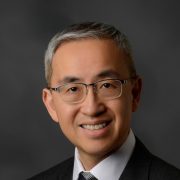
张文智教授,香港大学何冯月燕基金讲座教授,香港大学矫形及创伤外科学系前系主任。 2022年7月起担任香港大学深圳医院院长。张文智教授是当前国际顶级的脊柱外科专家之一,是儿童和成人脊柱畸形治疗的权威专家,曾先后担任国际脊柱学会(AO Spine)国际研究委员会的创会主席(2006-2008年)、香港骨科医学院院长(2013-2015年), 2016年他成为脊柱外科全球最高学术机构——国际脊柱侧弯研究协会(SRS)首位华人主席(2016-2017年),不仅引领了香港骨科的发展,也代表中国骨科专业在国际舞台上发挥显著影响力。 2021年,他荣获脊柱侧弯研究学会著名的国际Walter P.Blount人道主义奖,以表彰他在脊柱侧弯领域的卓越贡献和仁慈服务。
从1987年至今,张文智教授一直坚持工作在骨科临床和教研前线,他在脊柱侧弯综合防治一体化的临床及转化研究已达国际领先水平。张教授多次获邀在重要国际学术会议发表演讲,他在科学和医学相关领域有丰富的经验,曾获37项科研荣誉,并在Lancet等国际期刊上发表SCI论文370篇,出版专著22章, 拥有63项专利。他也是知名专业杂志《Journal of Orthopaedic Surgery》名誉编辑及《The Journal of Bone and Joint Surgery》 副编辑。
Professor Ivan Fan Ngai HUNG is currently Chair Professor of Infectious Diseases, Ru Chien and Helen Lieh Endowed Professor in Health Sciences Pedagogy, Associate Dean (Partnership & Engagement), Head of the Division of Infectious Diseases, Department of Medicine, LKS Faculty of Medicine, The University of Hong Kong, and Honorary Consultant in Queen Mary Hospital, Hong Kong. He is also Chair Professor and Chief-of-Service of the Department of Infectious Diseases and Clinical Microbiology at the HKU-Shenzhen Hospital.
Professor Hung is a dual specialist in Infectious Disease and Gastroenterology & Hepatology. He obtained his medical degree from the University of Bristol Medical School, England in 1996. After working in the University of Cambridge Medical School and Charing Cross Hospital, London, he returned to Hong Kong in 1999 and joined the Department of Medicine, Queen Mary Hospital. He was awarded the Anti-SARS gold badge award by the Hospital Authority in 2003 for his role in combating SARS as frontline medical officer. He received the Sir Patrick Manson Gold Medal award for best M.D. thesis. He was awarded the Richard Yu Lectureship and medal in 2016 by the Hong Kong College of Physicians. He was awarded the prestigious Outstanding Researcher Award from the University of Hong Kong in 2019. He is the Fellow of Royal Colleges of Physicians of London and Edinburgh, and fellow of the Infectious Disease Society of America and Advisory Board Member of the Universal Scientific Education & Research Network (USERN).
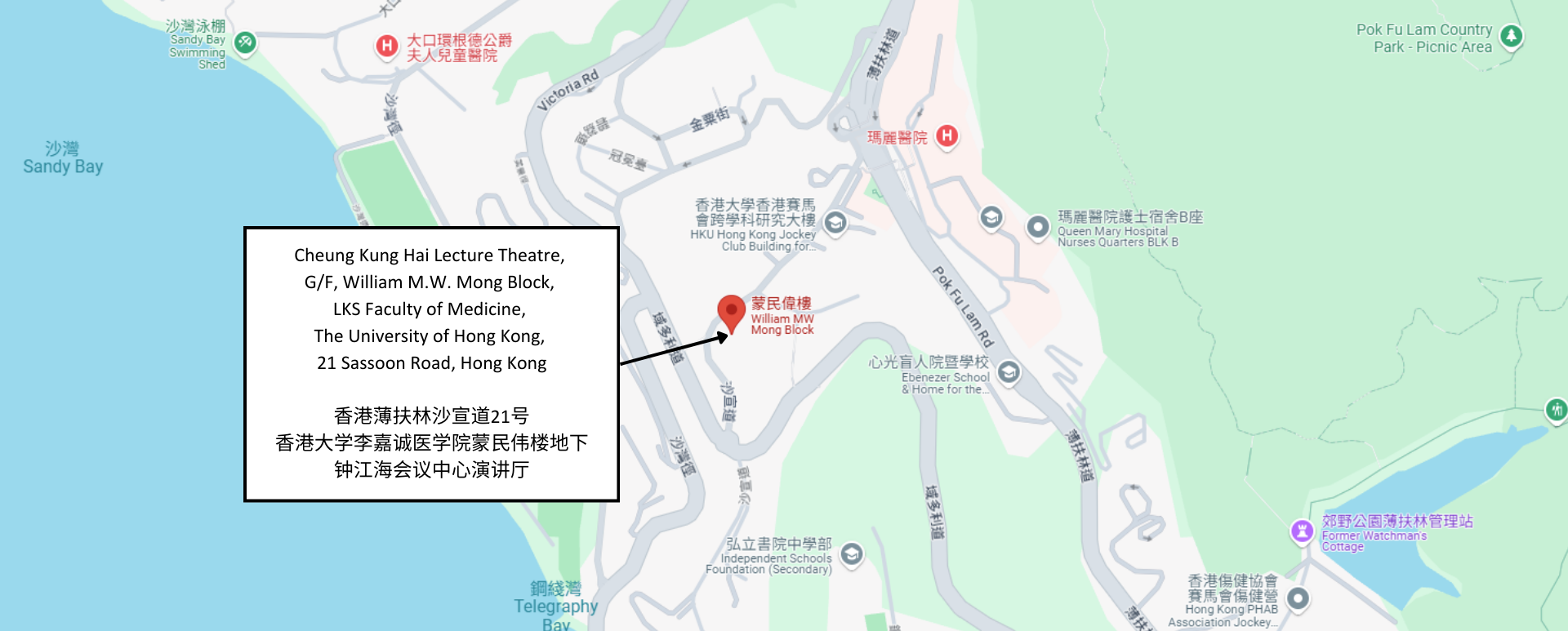
地点
香港薄扶林沙宣道21号
香港大学李嘉诚医学院蒙民伟楼地下
钟江海会议中心2号演讲厅
主办机构

香港大学临床试验中心(港大临床试验中心)于1998年成立,是香港大学(港大)之下的学术临床研究机构,并获授权为一个负责管理及统筹港大及港大联属教学医院—玛丽医院的临床研究的中央平台。港大临床试验中心与临床研究医生、研究组织及医护界通力合作,致力推动人类医疗健康的发展,积极宣传、吸引及促进不同性质的临床研究。

香港大学深圳医院是由深圳市政府全额投资、并引进香港大学现代化管理模式的大型综合性公立医院。医院总投资约40亿元,占地面积19.2万平方米,总建筑面积36.7万平方米。医院现拥有床位2000张,目前已经启动二期工程建设,未来将增至3000病床。
联系我们
如有查询,请联系秘书处。
电话:+852 2255-2550
电邮:ctccomm@hku.hk
© 2024 Clinical Trials Centre, The University of Hong Kong. All Rights Reserved.